
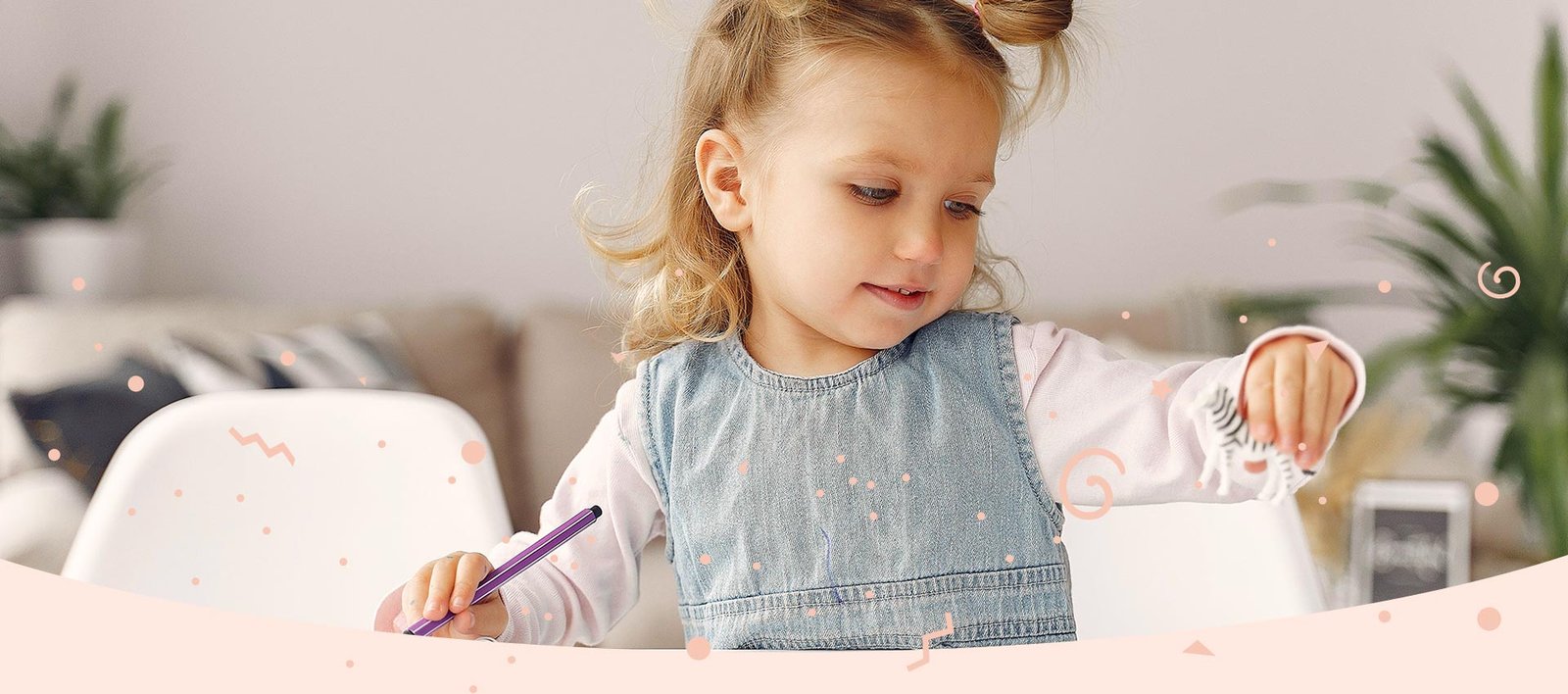
Different ways of giving education in Mom’s Blessing play school.
Learning through Play
Structured Play Activities
Design activities that incorporate educational concepts such as counting, colors, shapes, and letters into play. For example, use building blocks for counting or sorting by color.
Structured Play Activities
Create play areas that encourage role-playing, which helps children develop language, social, and problem-solving skills.
Hands-On Learning
Sensory Activities
Engage children in activities that stimulate their senses, such as water play, sand tables, or finger painting. These activities enhance their cognitive and motor skills
Exploration
Allow children to explore and discover on their own. Provide a variety of materials and tools for them to manipulate and investigate.
Storytelling and Reading
Interactive Storytelling
Use props, puppets, or visual aids to make storytelling interactive and engaging. This helps develop language skills and imagination.
Reading Corner
Create a cozy reading corner with a variety of age-appropriate books. Encourage group reading sessions to promote a love for books.
Art and Creativity
Craft Activities
Plan art and craft activities that are not only fun but also encourage creativity and fine motor skills.
Free Art Time
Allow children to express themselves through free art time, where they can choose their materials and create their own masterpieces.
Outdoor Play
Outdoor Play
Incorporate outdoor play to promote physical development. Activities like running, climbing, and playing with balls help enhance motor skills and coordination.
Nature Exploration
Take advantage of outdoor spaces for nature walks or simple gardening activities to introduce children to the natural world.
Teach them through dancing
Singing and Dancing
Integrate music into the curriculum through singing and dancing. This helps with rhythm, coordination, and language development.
Social and Emotional Development
- Group Activities: Plan group activities to promote social interaction and cooperation. This can include group games, collaborative art projects, or team-building exercises.
- Emotional Expression: Create a supportive environment for children to express their emotions through discussions, storytelling, or art.
Routine and Structure
- Consistent Schedule: Establish a routine that includes a balance of learning and playtime. Consistency helps children feel secure and confident in their environment.
- Transitions: Use transitional activities, such as songs or a visual schedule, to help children smoothly transition between activities.
Parental Involvement
- Open Communication: Maintain open communication with parents. Share information about the child’s progress, activities, and ways parents can support learning at home.
- Parent-Teacher Meetings: Conduct regular meetings to discuss the child’s development, address concerns, and collaborate on strategies to support learning.
Adaptability
- Individualized Learning: Recognize and cater to each child’s unique learning style and pace. Provide activities that can be adapted to different skill levels.
- Flexibility: Be flexible in your approach, allowing for spontaneous learning opportunities based on children’s interests and curiosity.